
PRODUCTS / NANOCRYSTALLINE
Nanocrystalline Materials & Cores
Support compact, efficient magnetic designs through suitable material grades, core geometry and production control.
Explore product forms ↓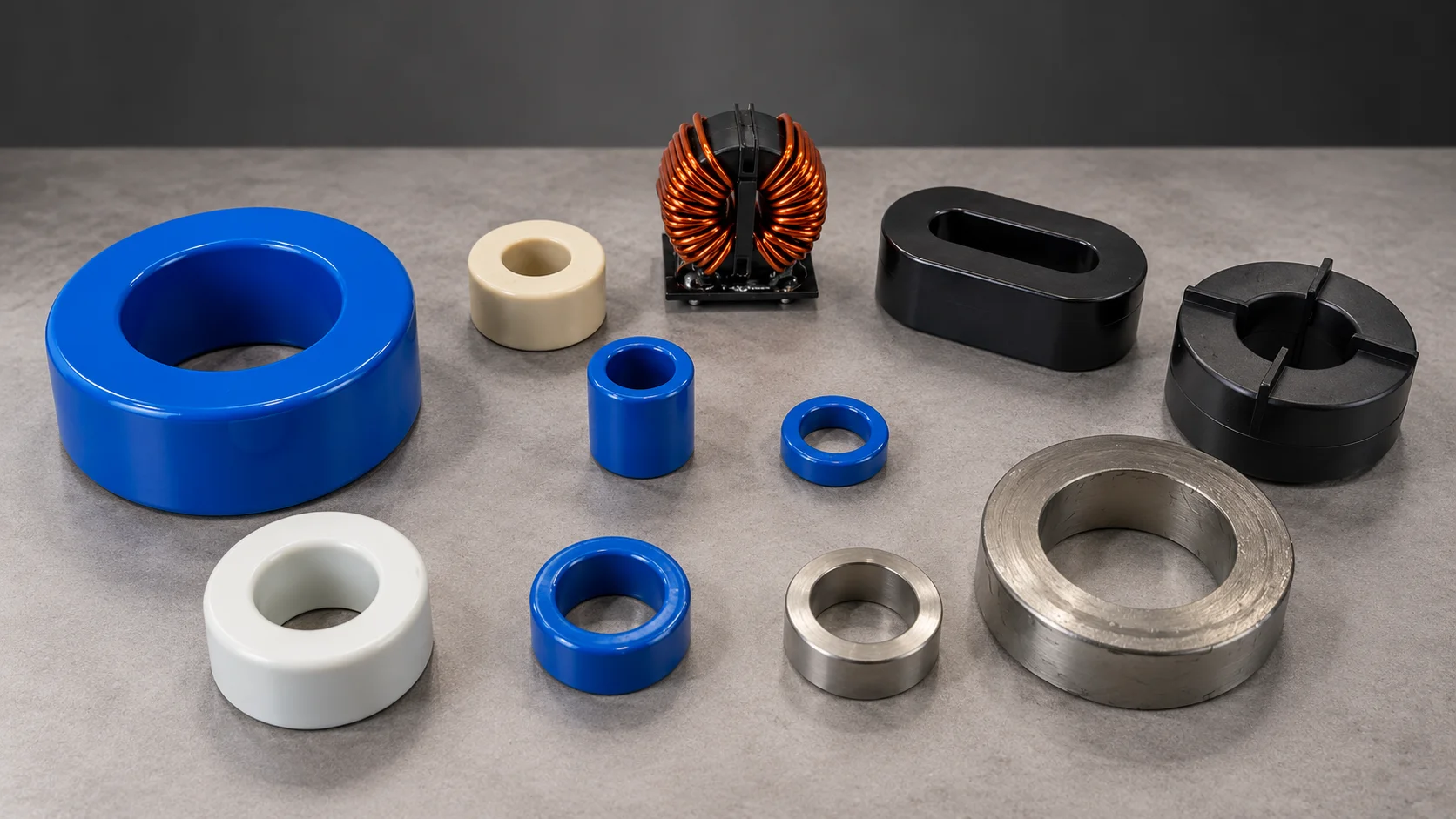
MATERIAL EXPERTISE
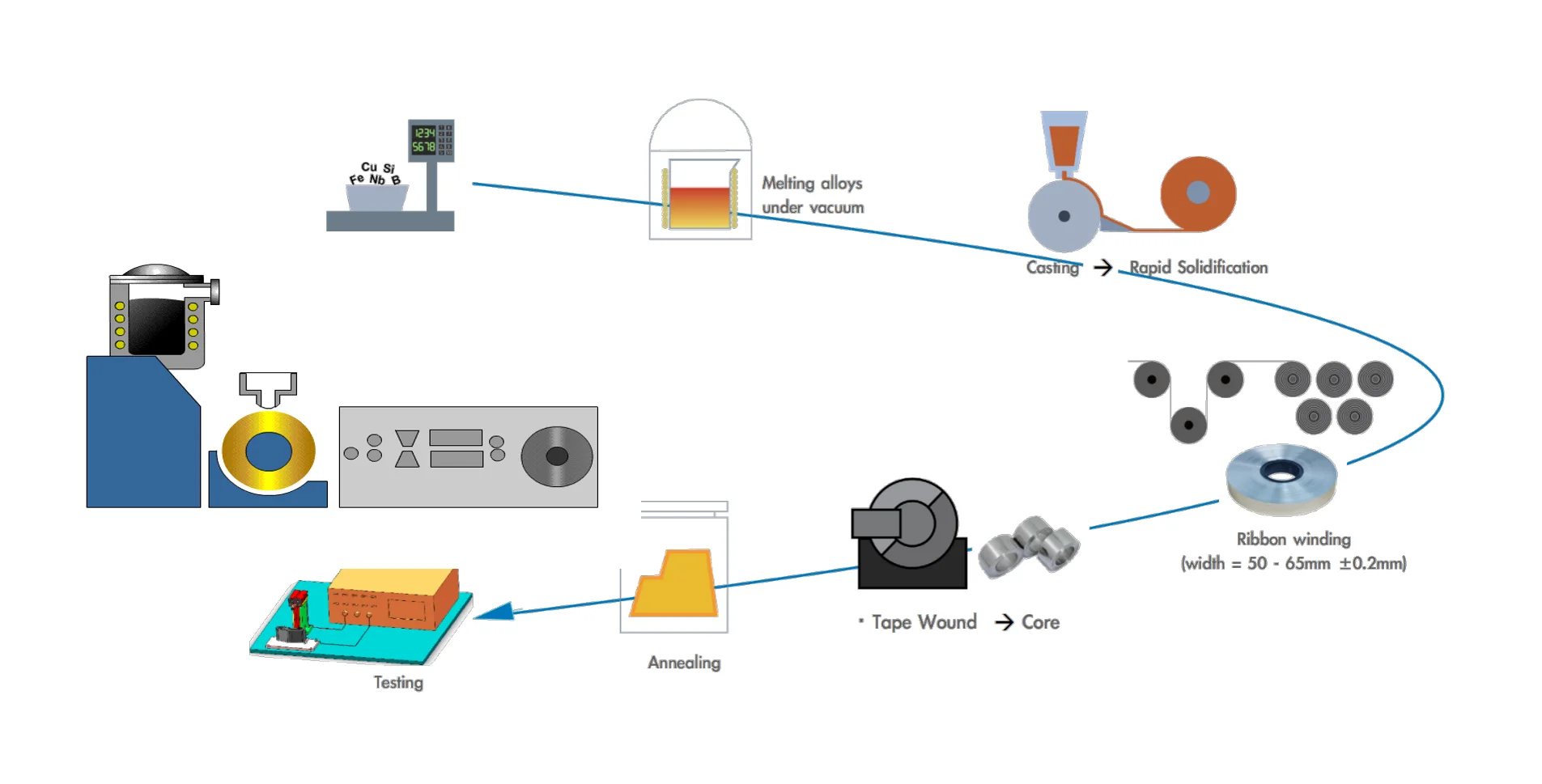
From amorphous ribbon to nanocrystalline structure
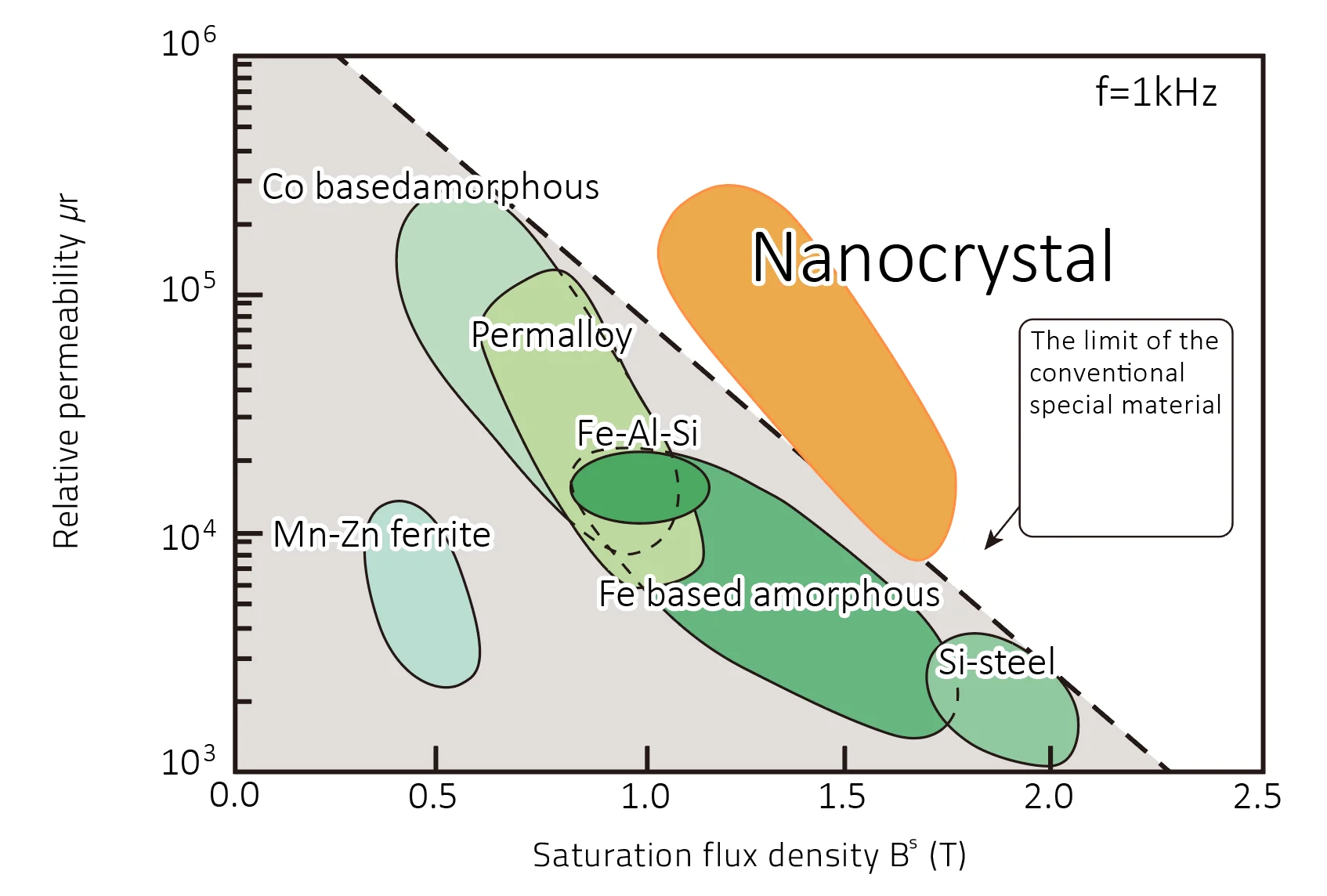
Nanocrystalline alloys are soft magnetic materials formed through controlled heat treatment of rapidly quenched amorphous ribbon. Their fine crystalline structure combines low core loss with magnetic properties that can be tailored through annealing.
High-permeability grades suit noise suppression applications, while lower-permeability grades offer improved DC bias tolerance and linearity. These characteristics make nanocrystalline cores a versatile choice for magnetic components in power electronics.
MAGNETIC BEHAVIOR
Properties shaped by annealing
Heat treatment influences the magnetic response. The typical B–H loops illustrate different annealing conditions.
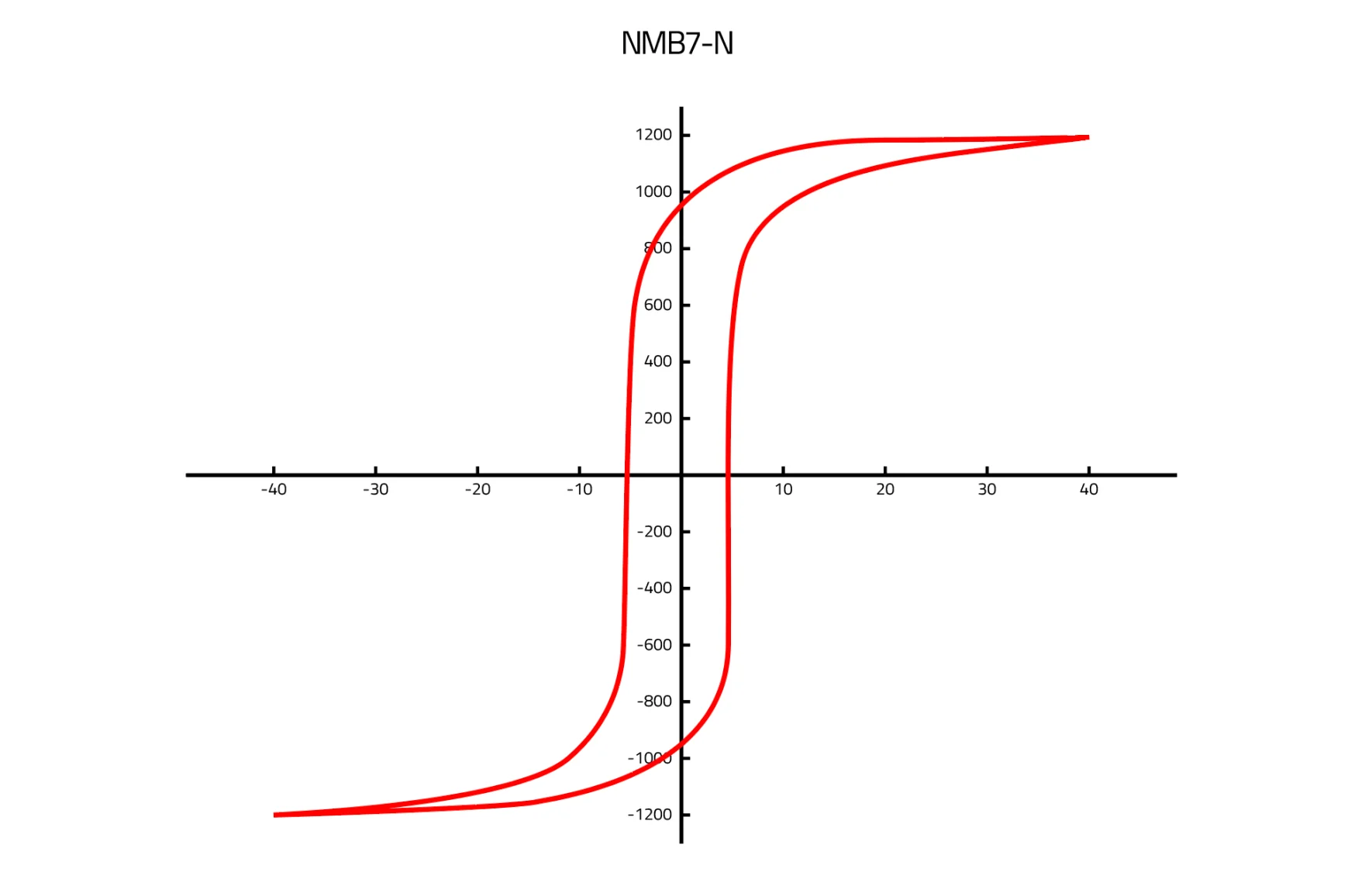
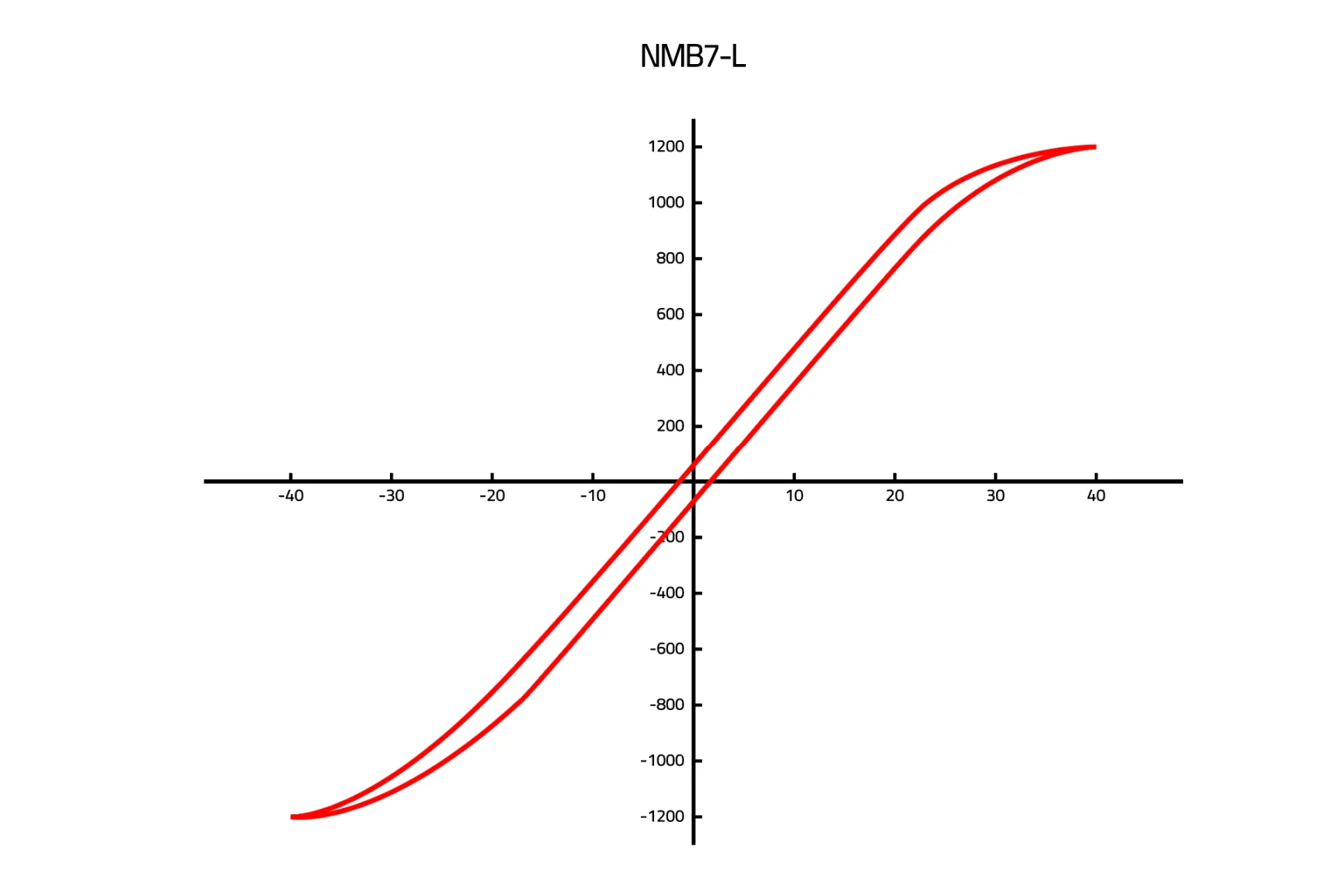
Typical illustrations; magnetic behavior depends on material grade, processing and operating conditions.
Explore the material comparison
PRODUCT FORMS
Ribbon, standard cores and custom geometries
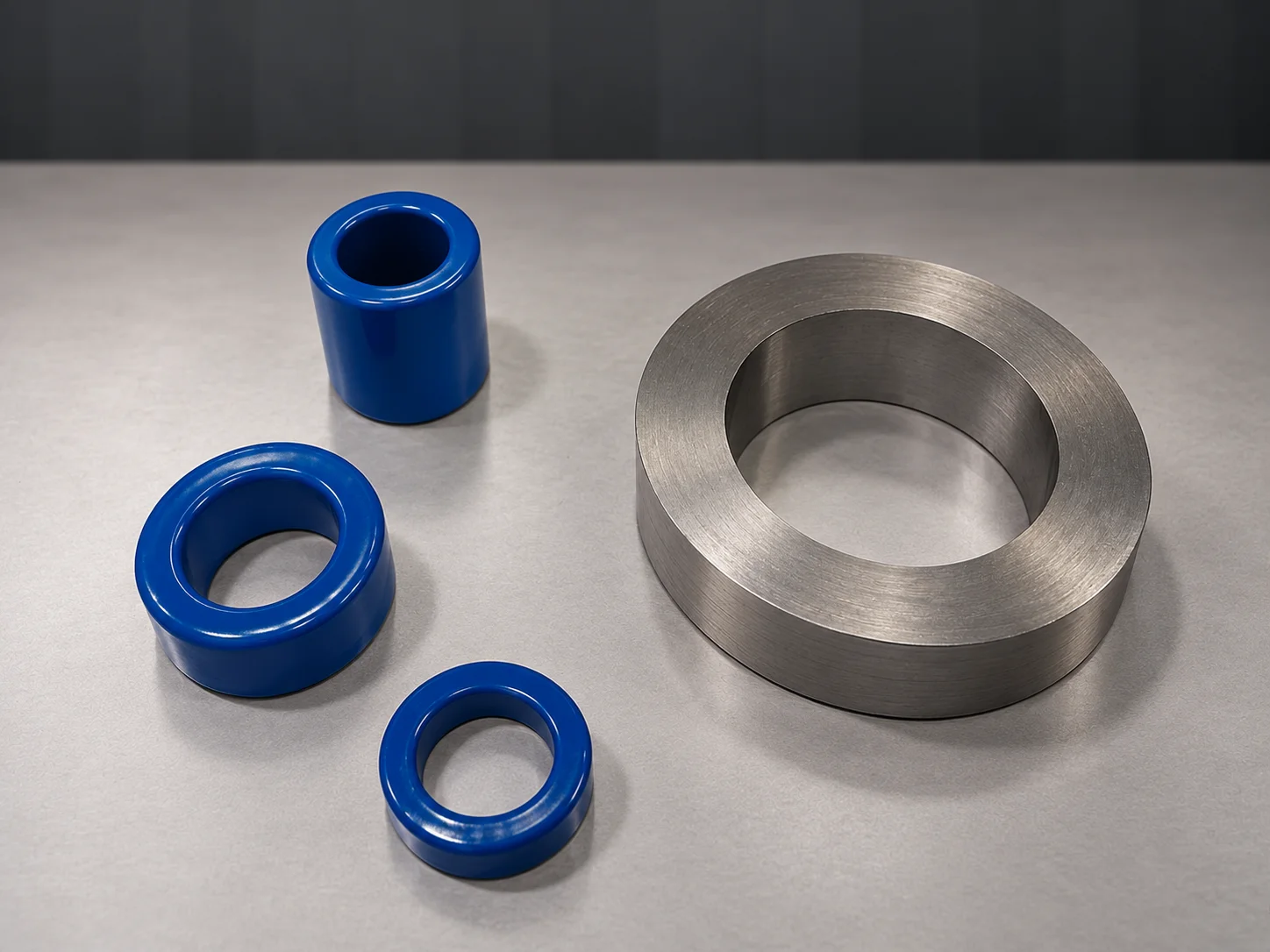
The portfolio spans material / ribbon, standard cores and custom cores for different magnetic-component configurations.
CORE CONFIGURATION
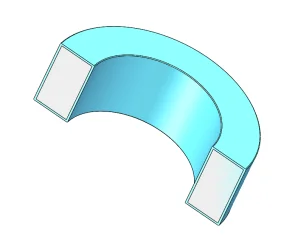
Shape and protection options
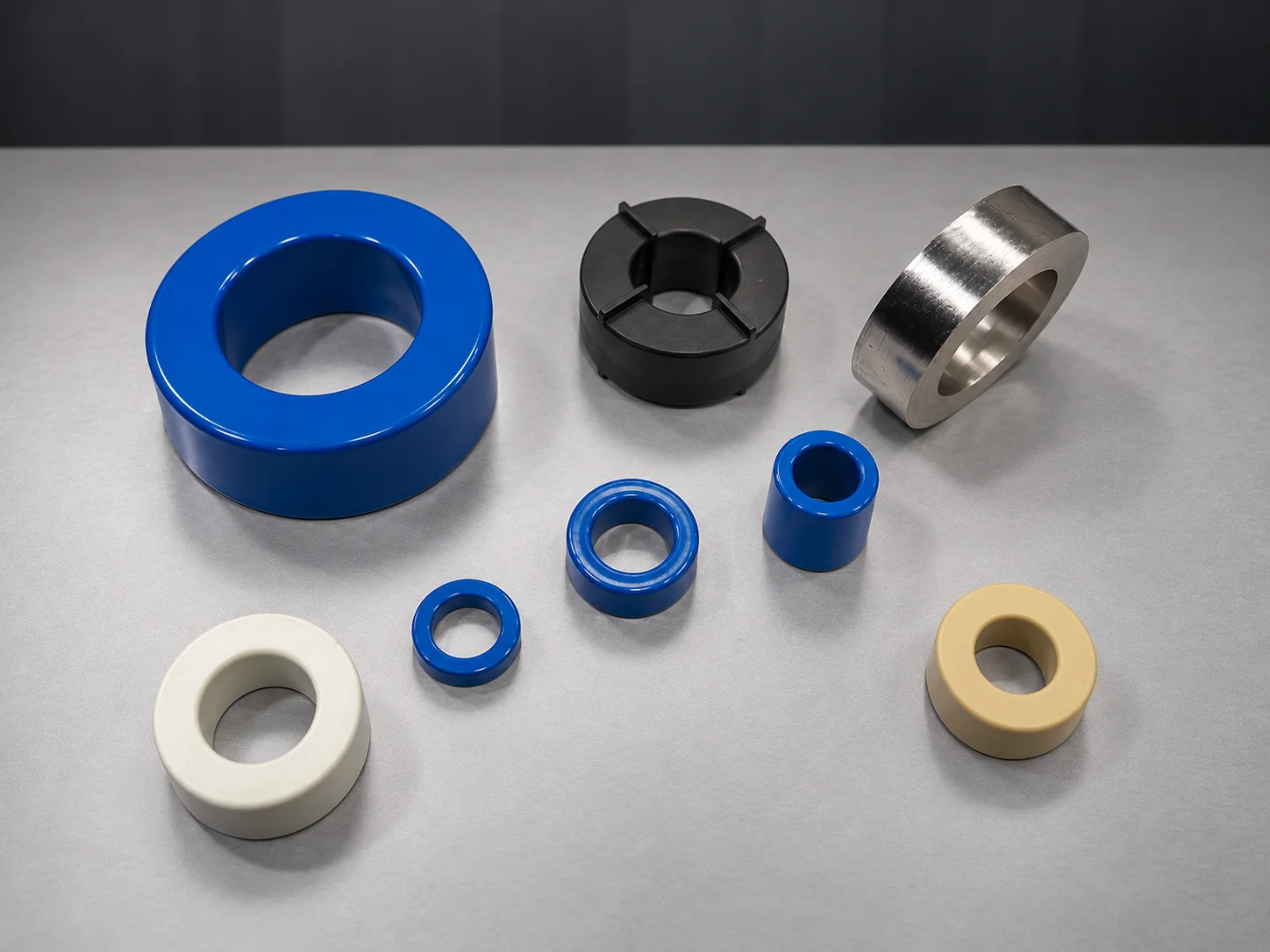
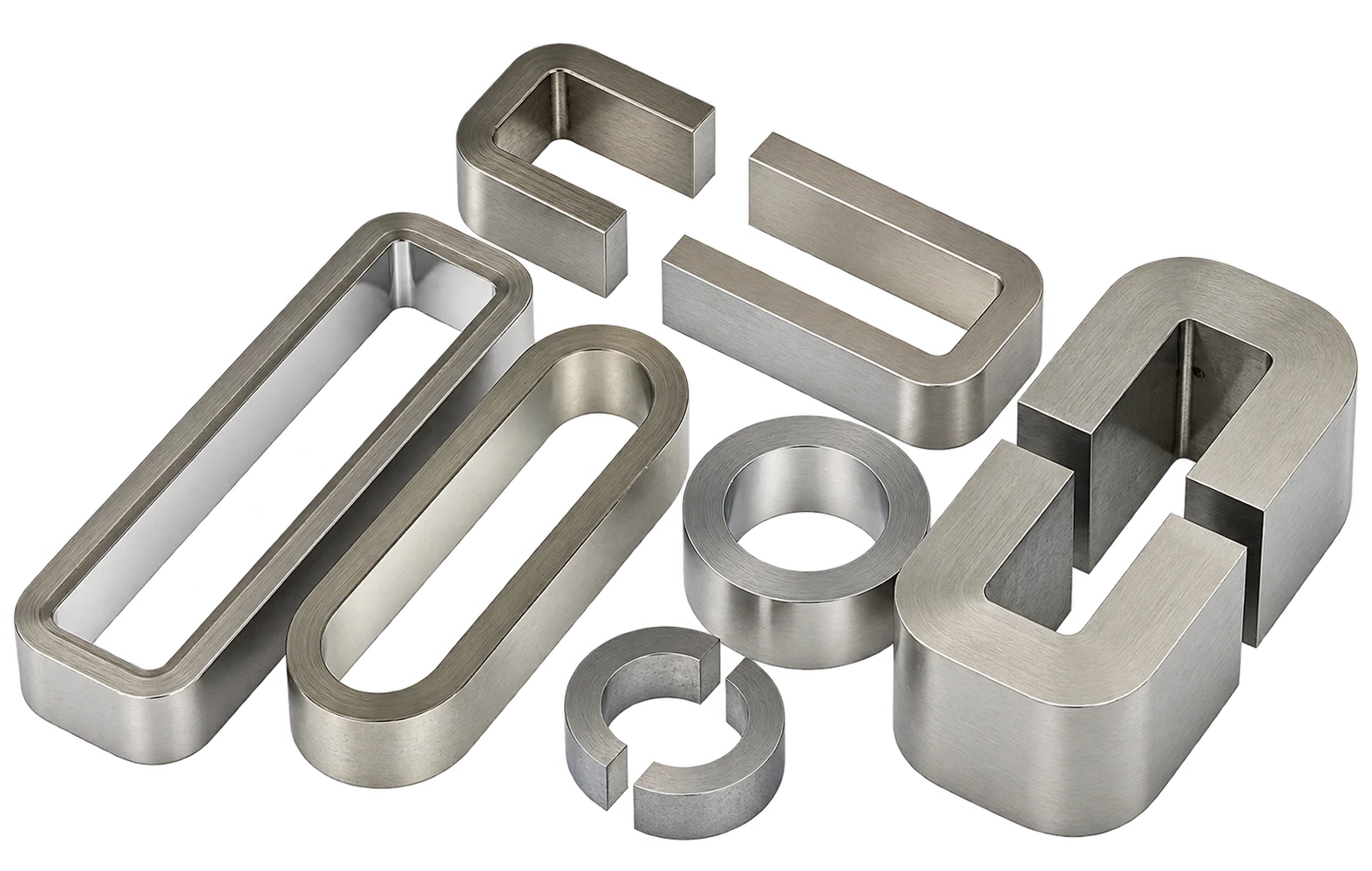
Alongside standard cores, custom geometries and protective solutions support different product designs. Casing options include PA66 and PBT, with epoxy coating available as an alternative.
Shape solutions
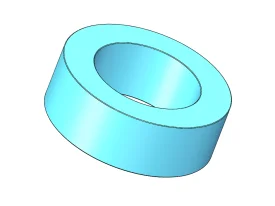
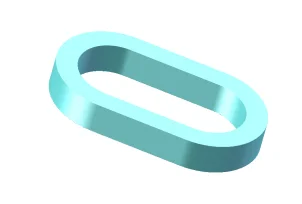
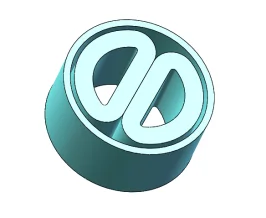
Casing & coating
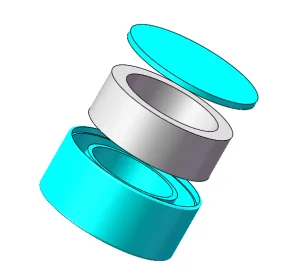
APPLICATIONS
Power conversion and electromagnetic compatibility
Nanocrystalline cores support EMC filtering, inductive components and high-frequency power conversion.
Noise suppression
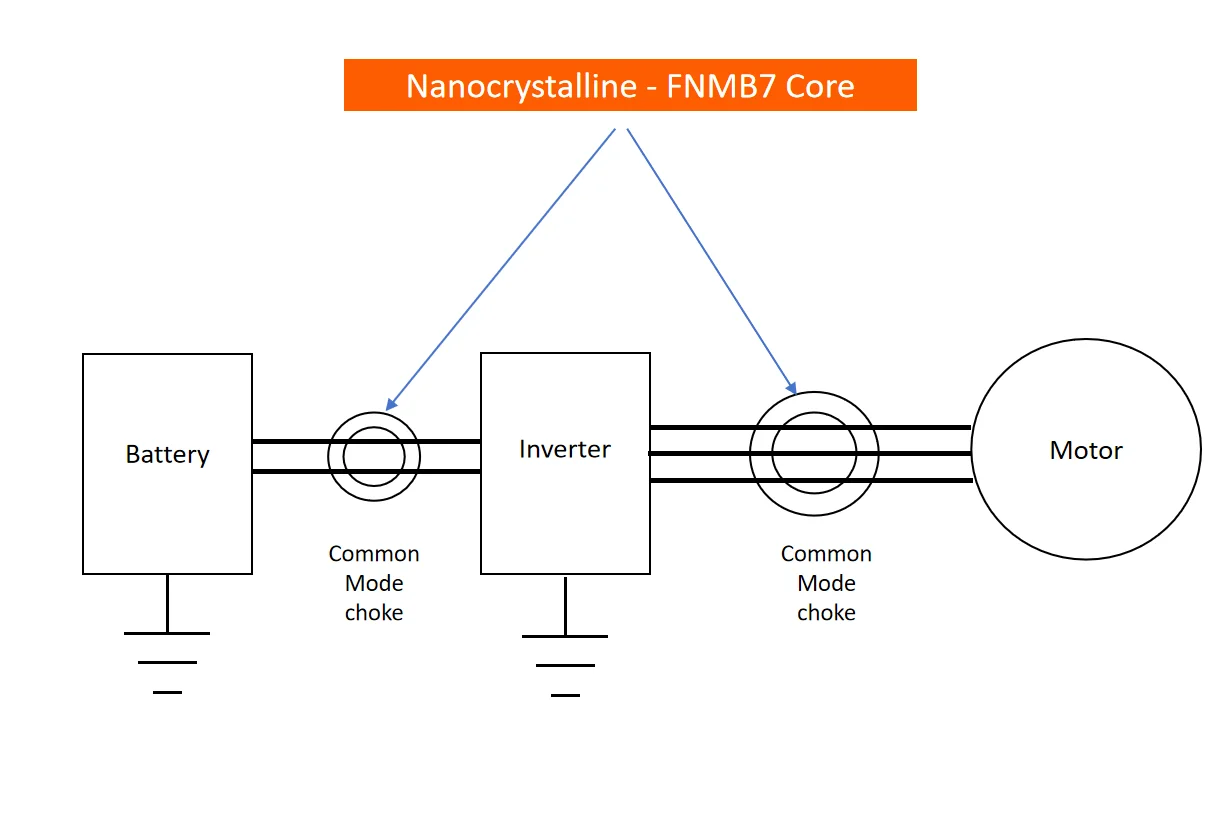
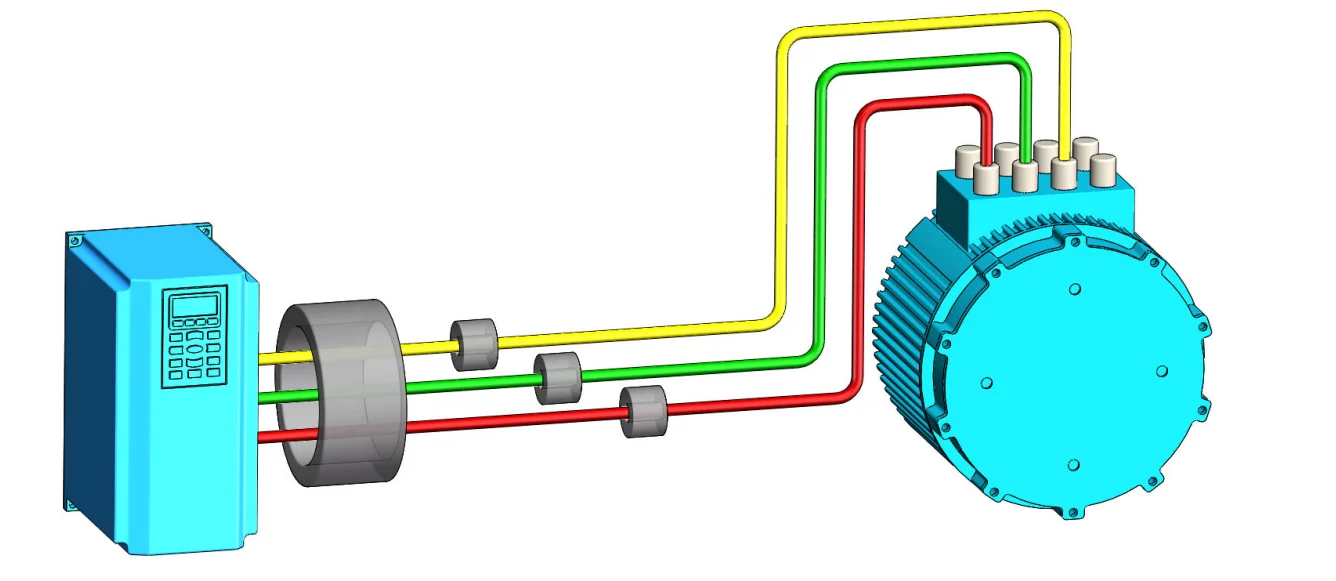
Common-mode cores can be used around inverter and motor circuits to help suppress high-frequency interference.
View the waveform comparison
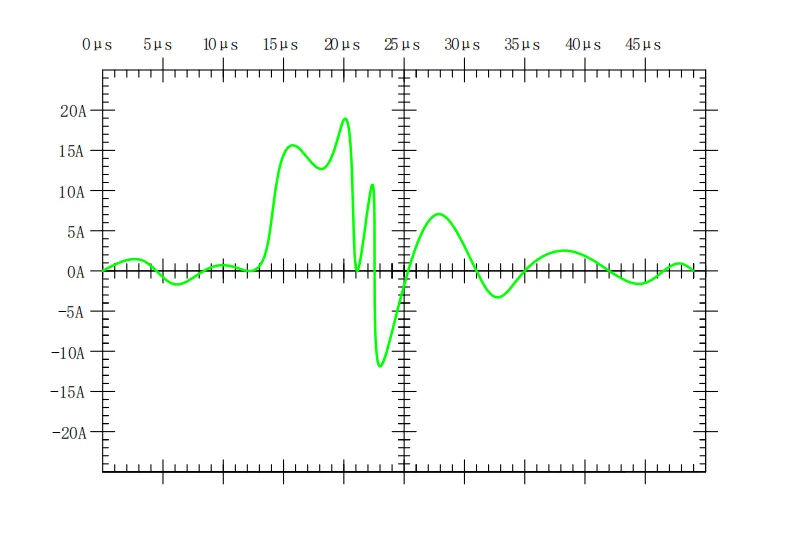
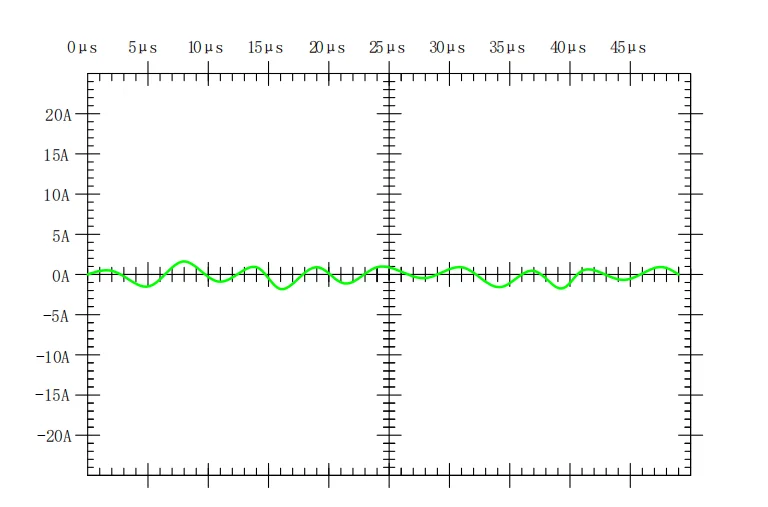
Illustrative comparison; results depend on the circuit and test conditions.
Inverter–motor systems
Lower-permeability cores can be combined with common-mode filter cores in inverter–motor or generator systems to help reduce harmonics and electromagnetic interference.
Application areas include current transformers, electronic filtering, energy storage and motor spindle protection.
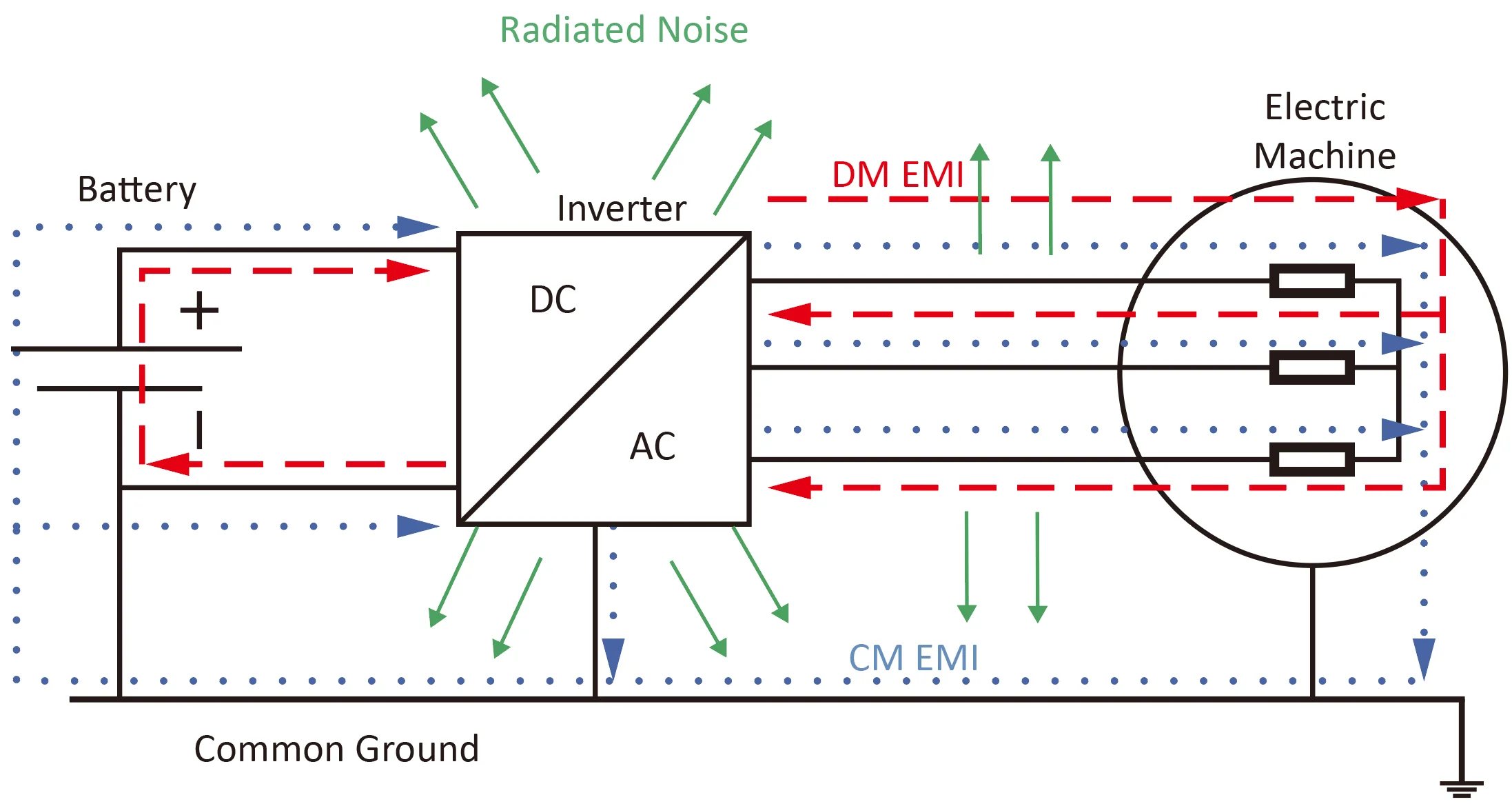
EMC in power electronics
Common-mode chokes address interference associated with high-frequency switching circuits, including those in electric-vehicle power systems.
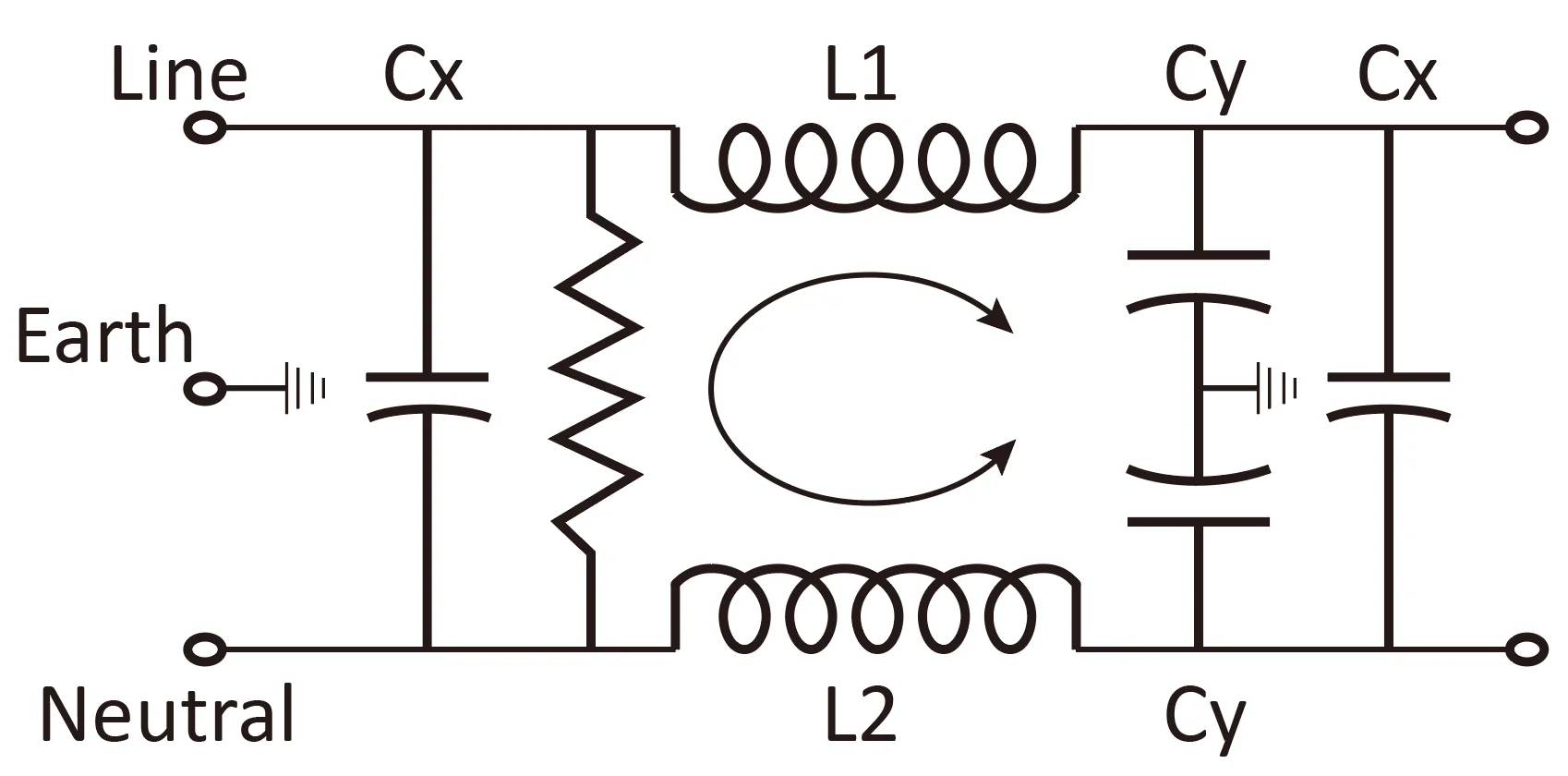
Common-mode chokes for EMI filters
Nanocrystalline cores provide a material option for the common-mode magnetic components used in EMI filter circuits.
View the choke comparison
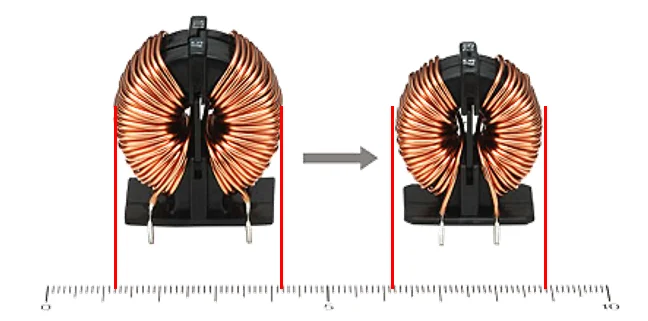
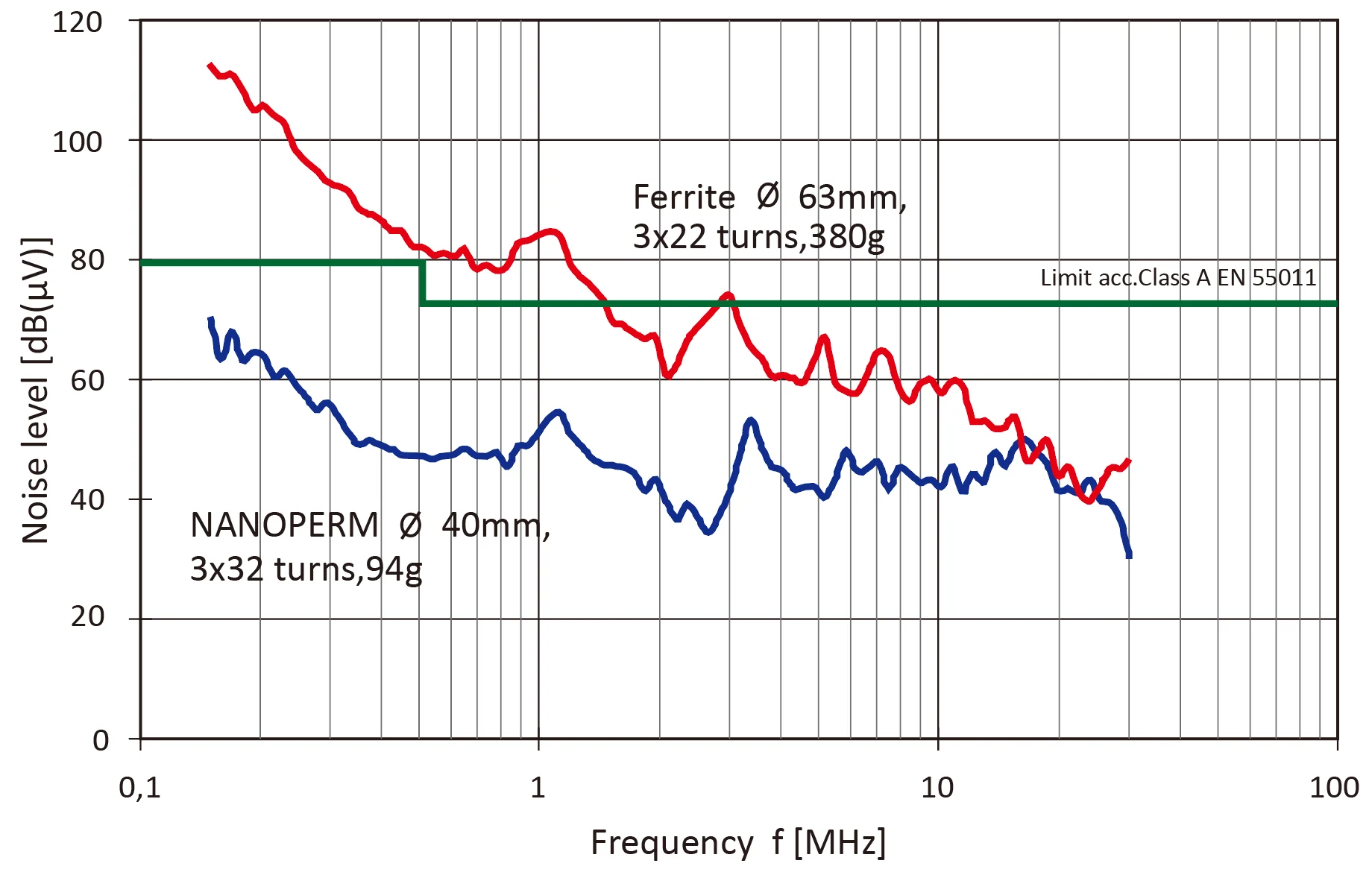
The shown examples use different core sizes and winding configurations; they are not a universal product performance specification.
MAGNETIC COMPONENTS
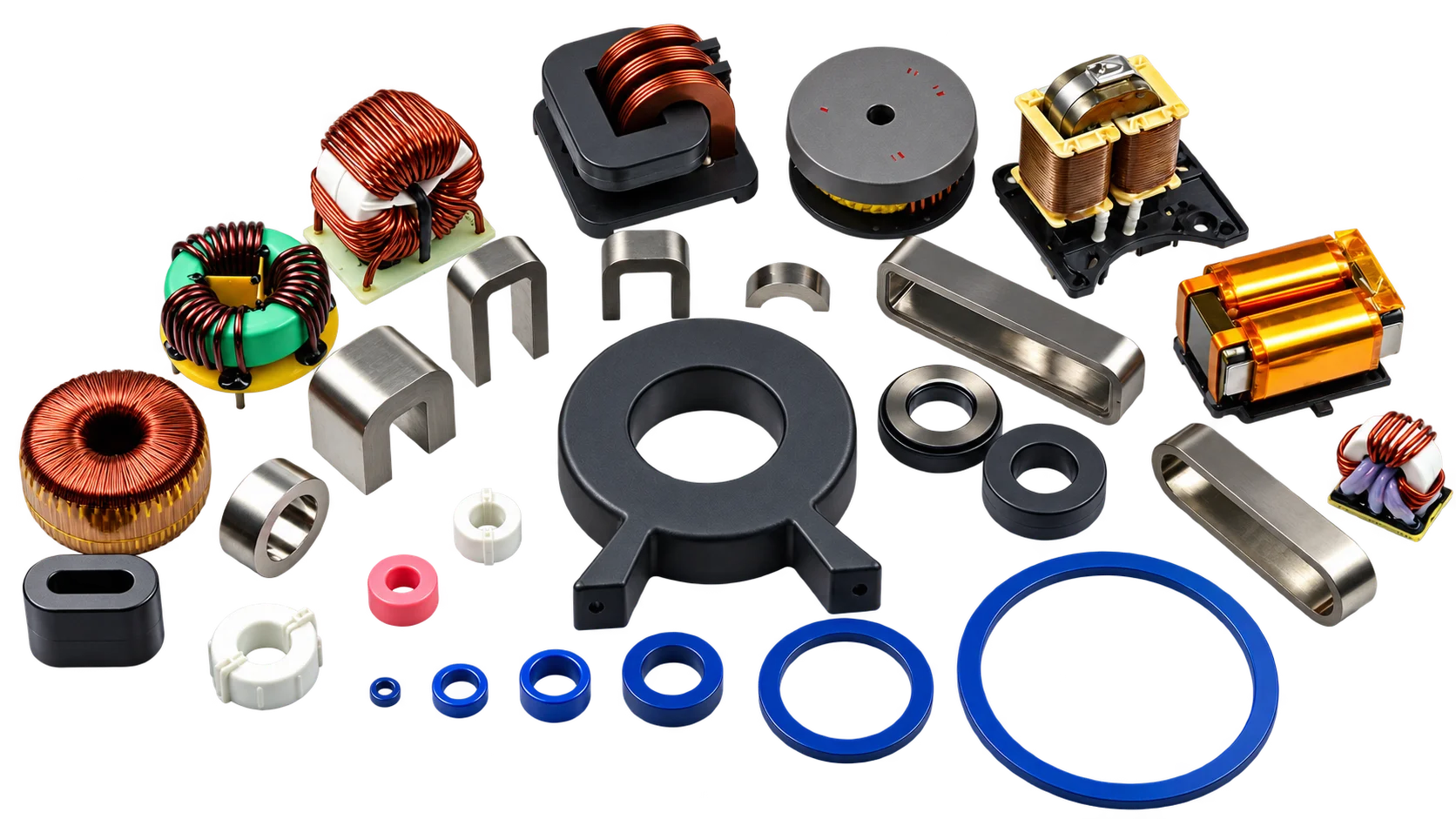
Magnetic components for power and EMC applications
Filter magnetic components · Inductors · Reactors · Transformer cores / magnetic components
Connect the material and core configuration to the magnetic-component needs of the application.
LET’S TALK